The Throwing System That Shaves .10-.20 Off Your Catcher's Pop Time And Adds 2-5 MPH
Guaranteed — or we keep coaching him for free until we get there.
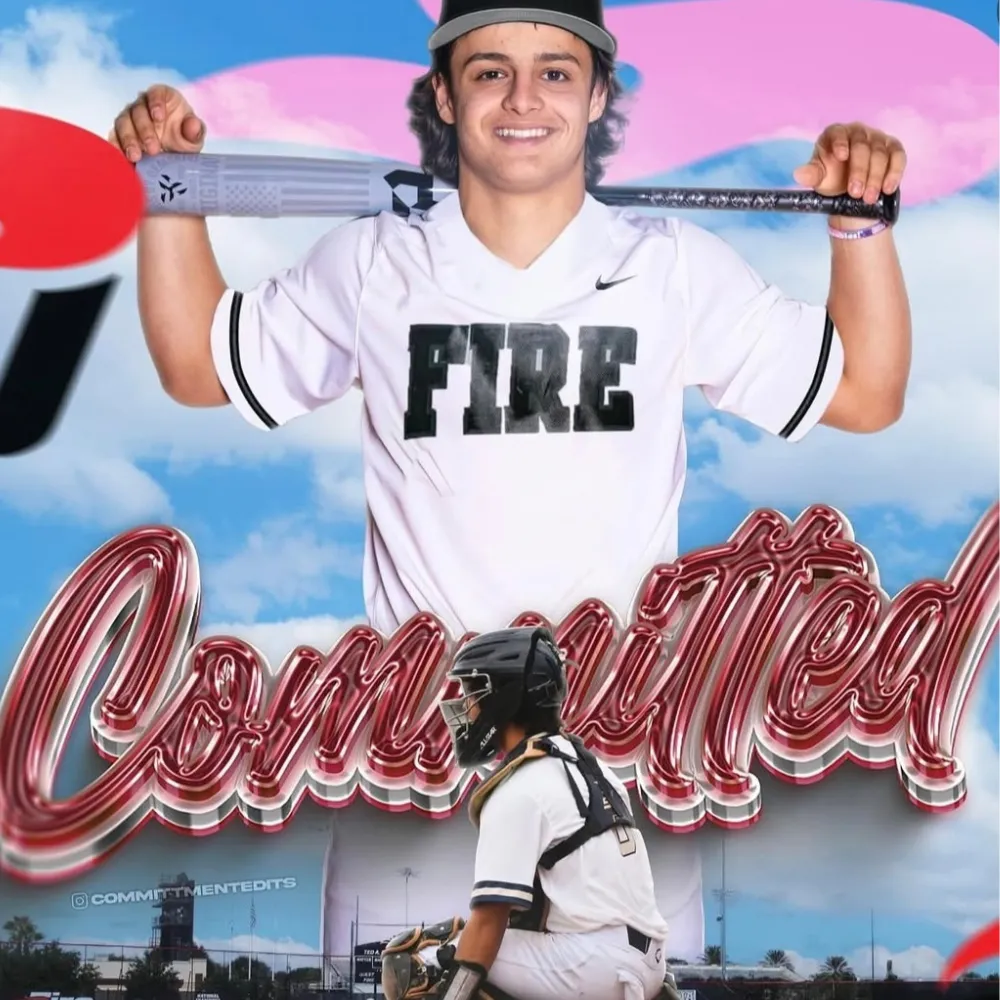
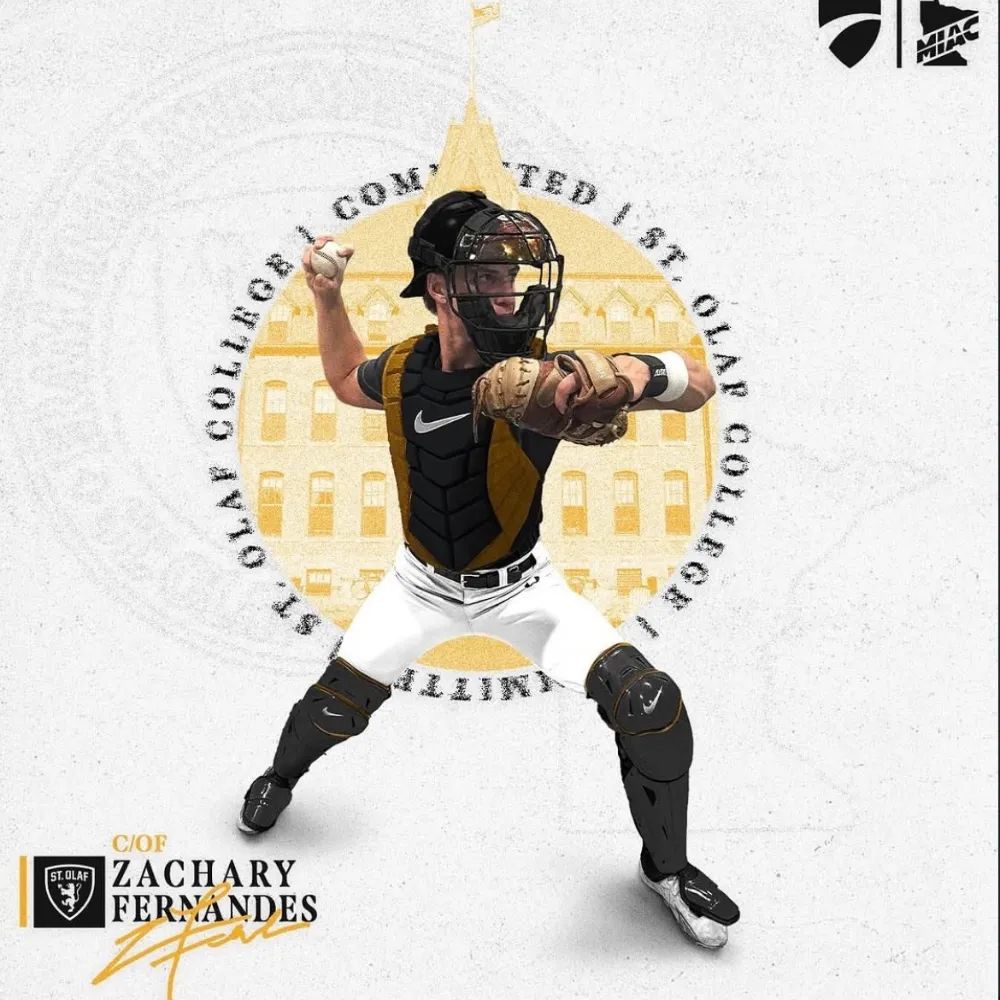
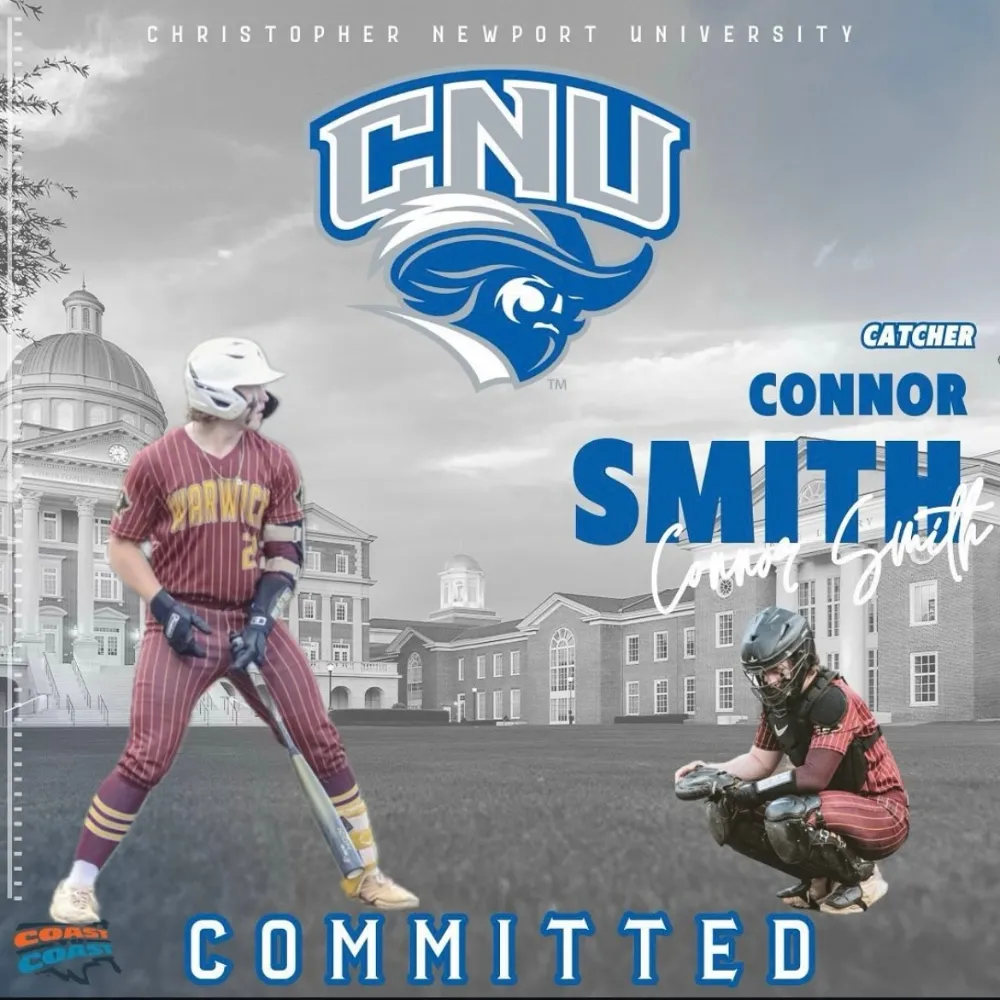
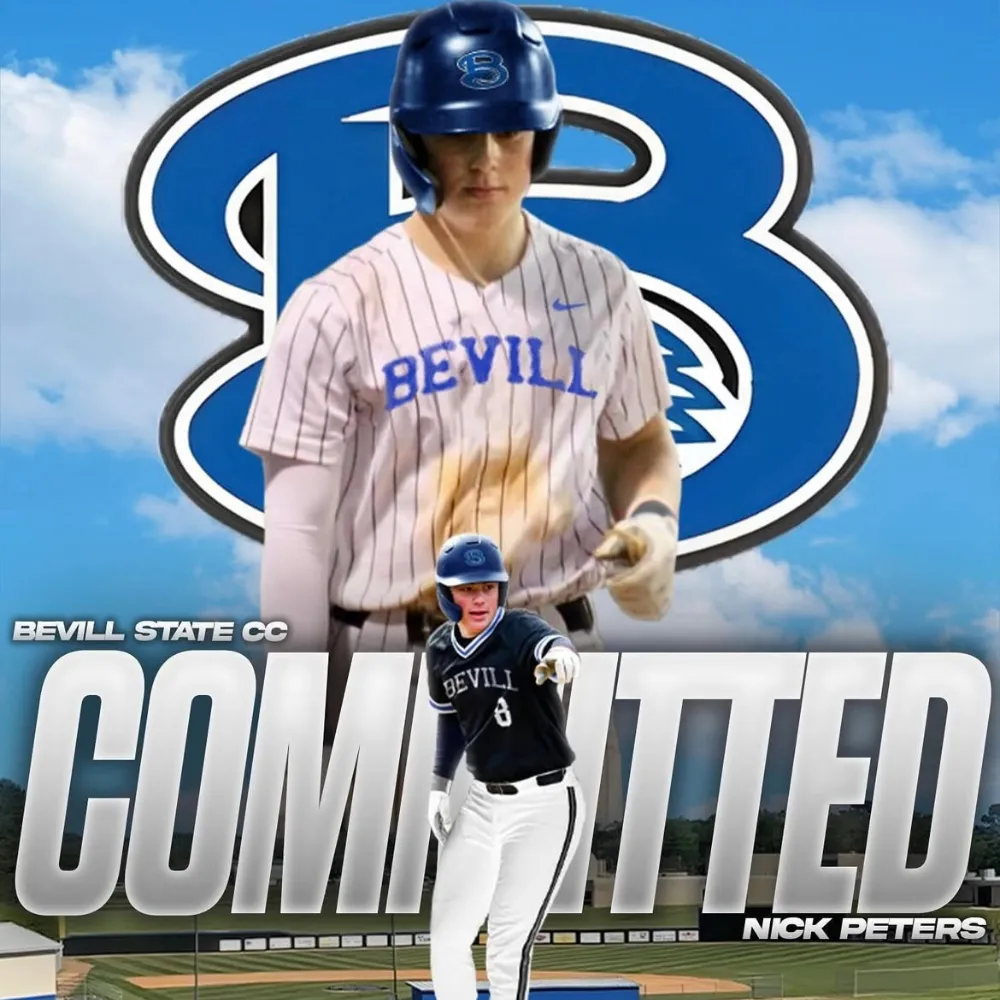
Watch how Zach went from a 2.11 to a 1.91, added 6 mph, and committed to play college baseball:

Former D1 Catcher | 60+ College Commits | 250+ Catchers Trained
250+
Catchers Trained Remotely
60+
College Committed Program Alumni
.10-.20
Pop Time Decrease Guaranteed
Drop Your PopTime Program Alumni
Why His Throw Is Stuck
Your catcher has probably already tried the obvious things. More long toss. A new drill from YouTube. A local coach who told him to work on his "footwork." And his pop time and velocity haven't moved much.
Here's what nobody breaks down for him:
The throw to second base is a sequence.
Lower half momentum → transfer and back foot plant → separation → front side pull → arm action and extension.
If any piece is performed wrong or inefficiently, he has to compensate somewhere later in the sequence.
That mechanical compensation is what kills his exchange time and keeps his velocity from translating.
Reaching for the ball. A pushy arm action. Footwork that feels long and out of sync. A transfer that's loopy. Those aren't the problem.
They're symptoms of a sequence that's breaking down earlier than your catcher understands.
Fix the throwing sequence properly and in the right order, and the symptoms of a bad throw disappear on their own.
That's how Zach went from a 2.11 to a 1.91 and added 6 mph to his catcher velocity.
Not more volume... A systematic understanding of how the throw works, specific to catchers.
The Throwing Sequence
We break the throw into five phases and fix them in order. He doesn't move to the next phase until he's mastered the one he's in.
Phase 1: Direction and Momentum
This is everything that happens before the ball hits our glove.
The lower half creates direction and momentum towards the target as we separate away from an engaged back-side.
This is the most important piece of the throw. It sets the stage for each phase that comes after it.
When done right, this is where catchers see their biggest drops in pop time.
Phase 2: Transfer, Rotation and Planting The Back Foot
Phase 2 is the transfer, the rotation, and the plant of the back foot in sync with the incoming pitch.
If the lower half did its job properly in Phase 1, we are able to catch the ball deep on an engaged back-side while maintaining momentum towards our target.
If the lower half didn't do its job in Phase 1, this is the phase where we reach, break posture, and plant the back foot late, and the clock reflects those inefficiencies.
A clean Phase 2 is what buys us more time in Phase 3.
Phase 3: Separation + Time And Tension
Once the back foot is planted, we get into the separation phase. This is the most important phase for velocity and backspin, so we want to maximize our time here.
If the previous two phases were done inefficiently, this is the phase that suffers most, and so does our ability to press the baseball.
When they're done right (proper momentum away from an engaged back-side in Phase 1, a clean transfer, rotation, and plant in Phase 2), we buy ourselves more time to create separation.
That separation is the tension we apply to the baseball in Phase 4.
Phase 4: Arm Action and Extension
Once separation is created and the front foot hits the ground, we rotate into the front hip, tuck the lead elbow, and keep a tight spiral of the arm as we work towards release.
Most catchers think velocity is an isolated arm problem. It isn't.
If we didn't create momentum in Phase 1, transfer and plant efficiently in Phase 2, and buy time for separation in Phase 3, the arm has to over-work to create the velocity we want in this phase.
When the first three phases are done right, the only job the arm has is to maintain that tight spiral into release and transfer all of the energy previously into the baseball.
Phase 5: Rhythm and Timing
Once all four phases are understood and working together, we focus on rhythm and timing: how to make the throwing sequence happen consistently and powerfully.
This is what ties everything together.
It's the difference between a throw that looks good at a showcase and a throw that translates to games.
How We Get Your Catcher Results Remotely
Every catcher in this program wants to play college baseball, so we run it like a college course.
The responsibility is on him, with checks and balances so he never falls behind.
Step 1: He Studies Before He Throws
Each phase starts with learning modules: what we're working on, why it matters, and how to apply it. He doesn't touch a drill until he understands the phase.
Step 2: He Trains The Progressions
Then he works through the drill progressions for that phase, all demonstrated and explained on video. Every session gets recorded.
Step 3: He Gets Coached
He submits his film and gets back exactly what he's doing well, what's wrong, and what to fix in his next session. Then he goes back and implements it.
Step 4: He Advances At The Mastery Gate
Athletes set their own timeline with a coach's help. He moves to the next phase when he's mastered the one he's in and a coach agrees.
He Stays Accountable
Office hours with a coach any week he needs them, group calls with the community of catchers, unlimited video review, and a Sunday check-inevery week so we always know where he's at, what he's working on, and how to best help him.
Who Coaches Your Son
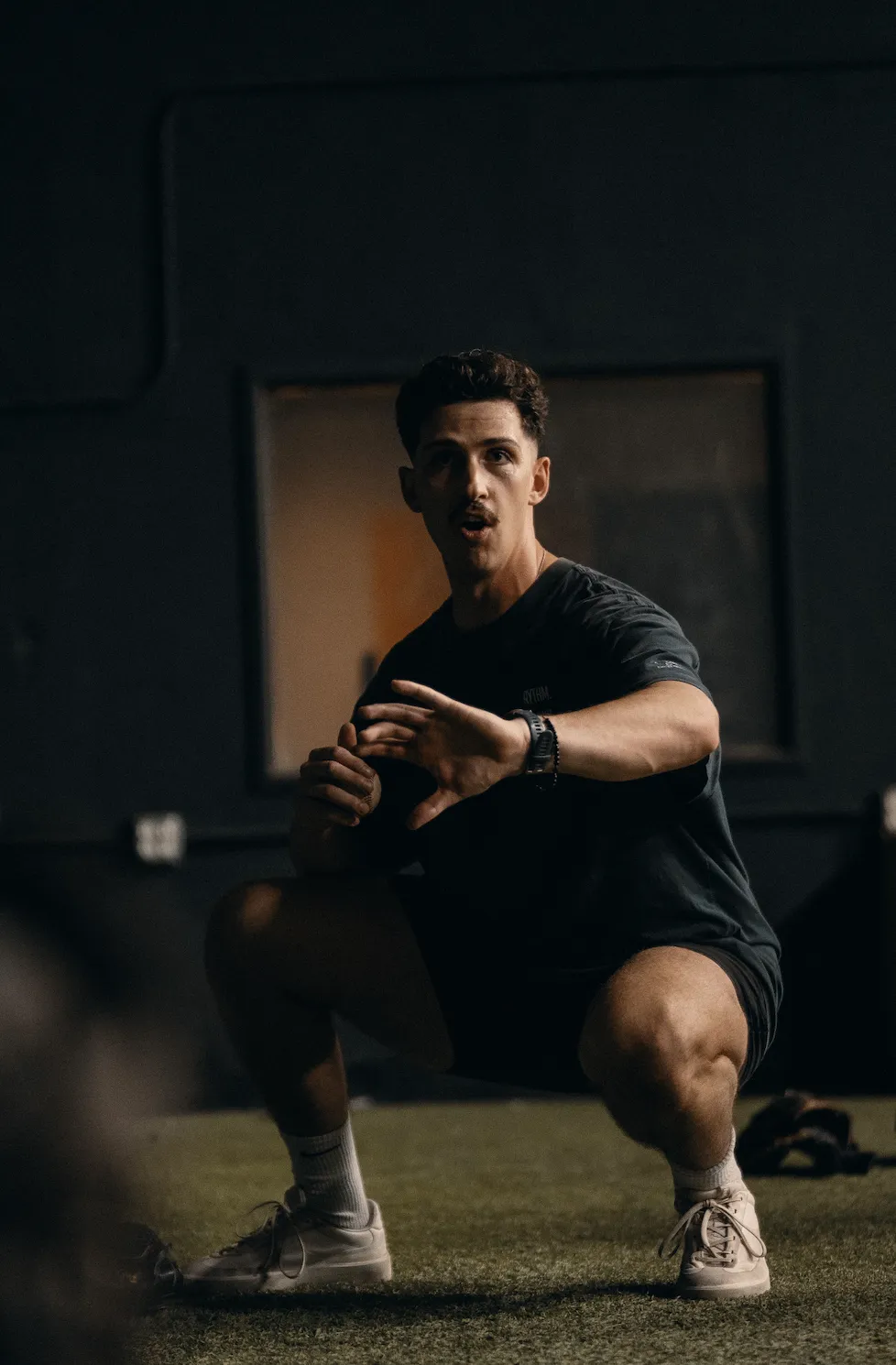
Nick Zouras
Founder · Former D1 Catcher, Illinois State
I caught Division 1 baseball at Illinois State, where I led the team to a conference championship and an NCAA Regional. I was throwing 88 from the crouch as a high school sophomore, and I've been obsessed with the throw for catchers ever since, because I knew it was the one thing that could set me apart from every other catcher who could receive, block, and hit. That obsession became this program.
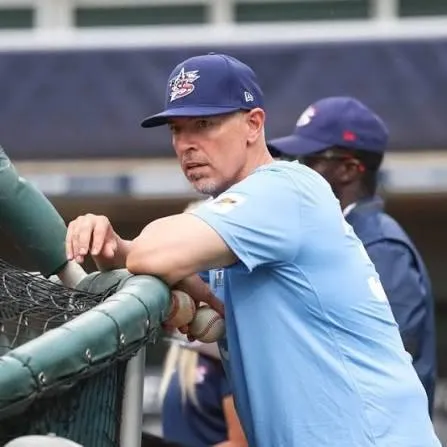
Sammy Serrano
Player Development · Former Pro Catcher, USA Baseball Evaluator
Coach Sammy caught in the San Francisco Giants organization after being taken in the second round of the MLB Draft, following a consensus First Team All-American career at Stetson. He's spent 20+ years developing catchers and hitters, including as a coach and catching evaluator for USA Baseball's 18U National Team and a national team coach with Canes Baseball. Over the last four years he's helped develop 70+ college players, 28 of them at the Division 1 level.
Most coaches are generalists, and good ones. We've gone deeper on the throw to second base than almost anyone, and that's the one thing this program does.
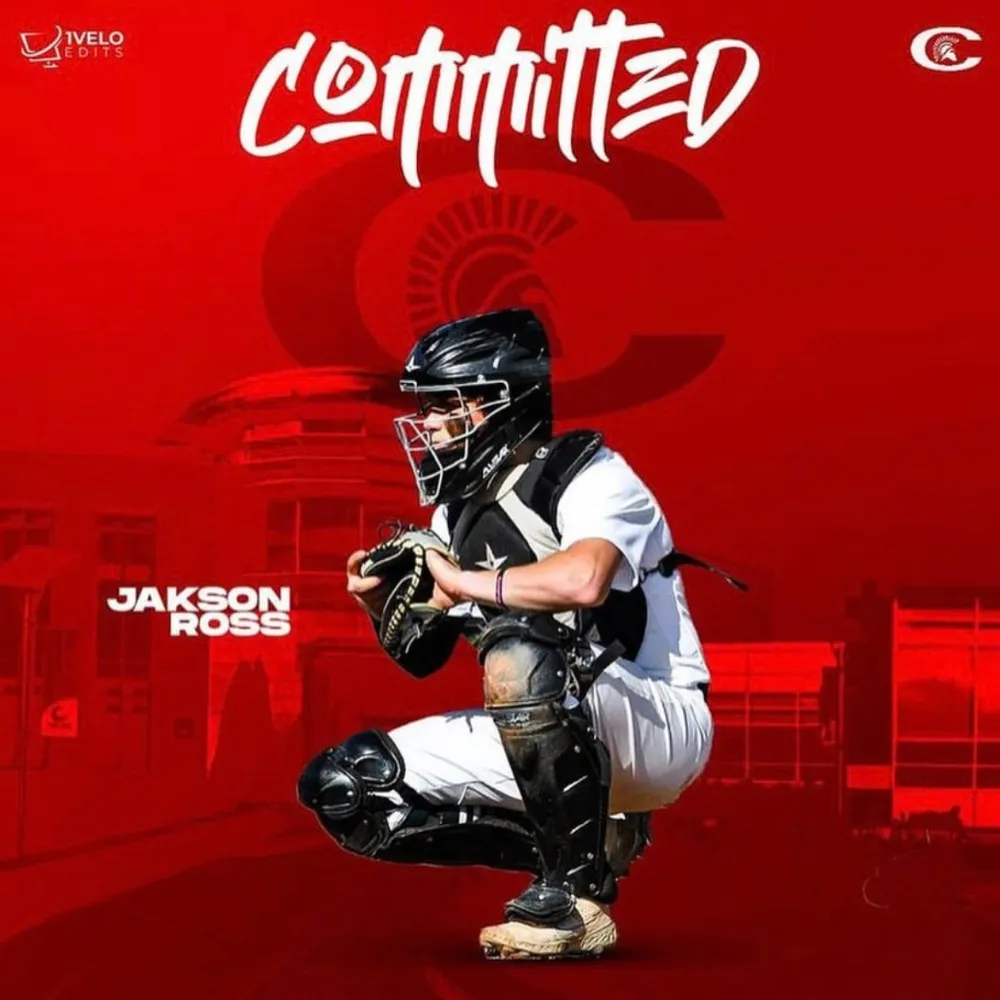
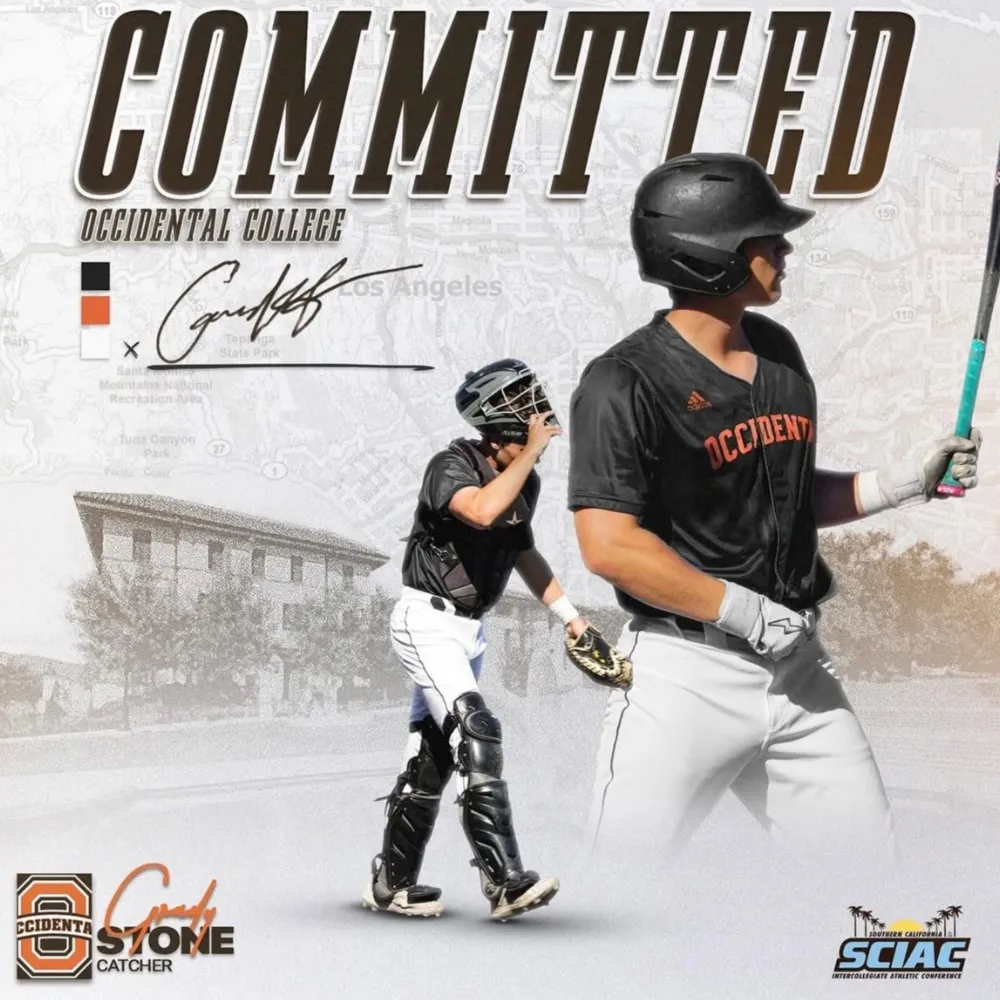
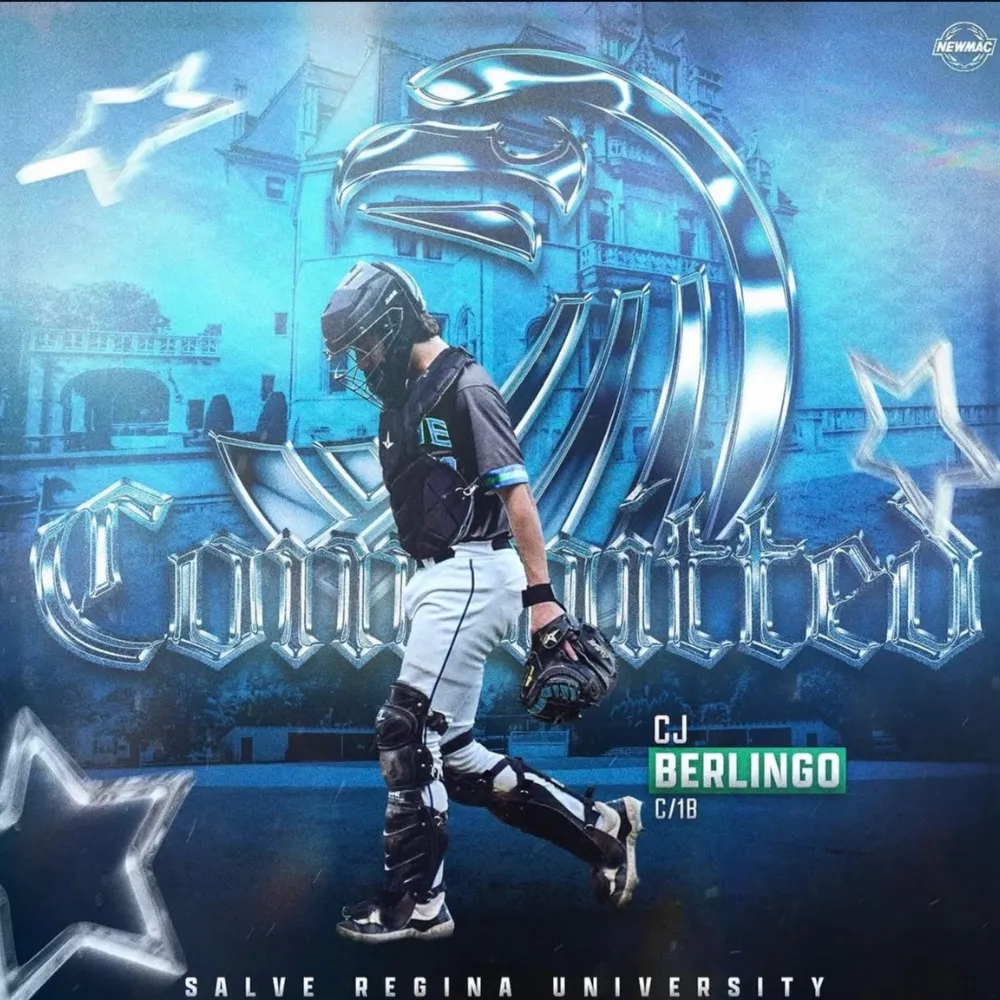
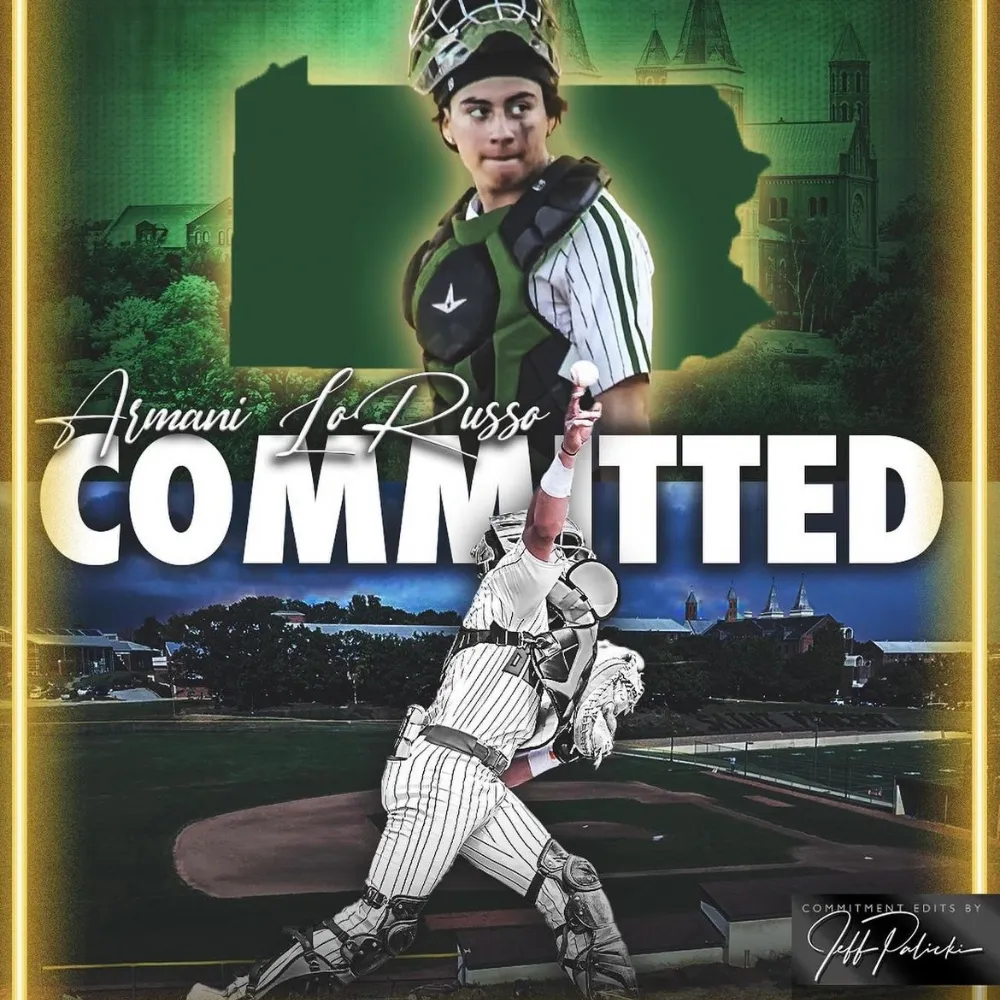
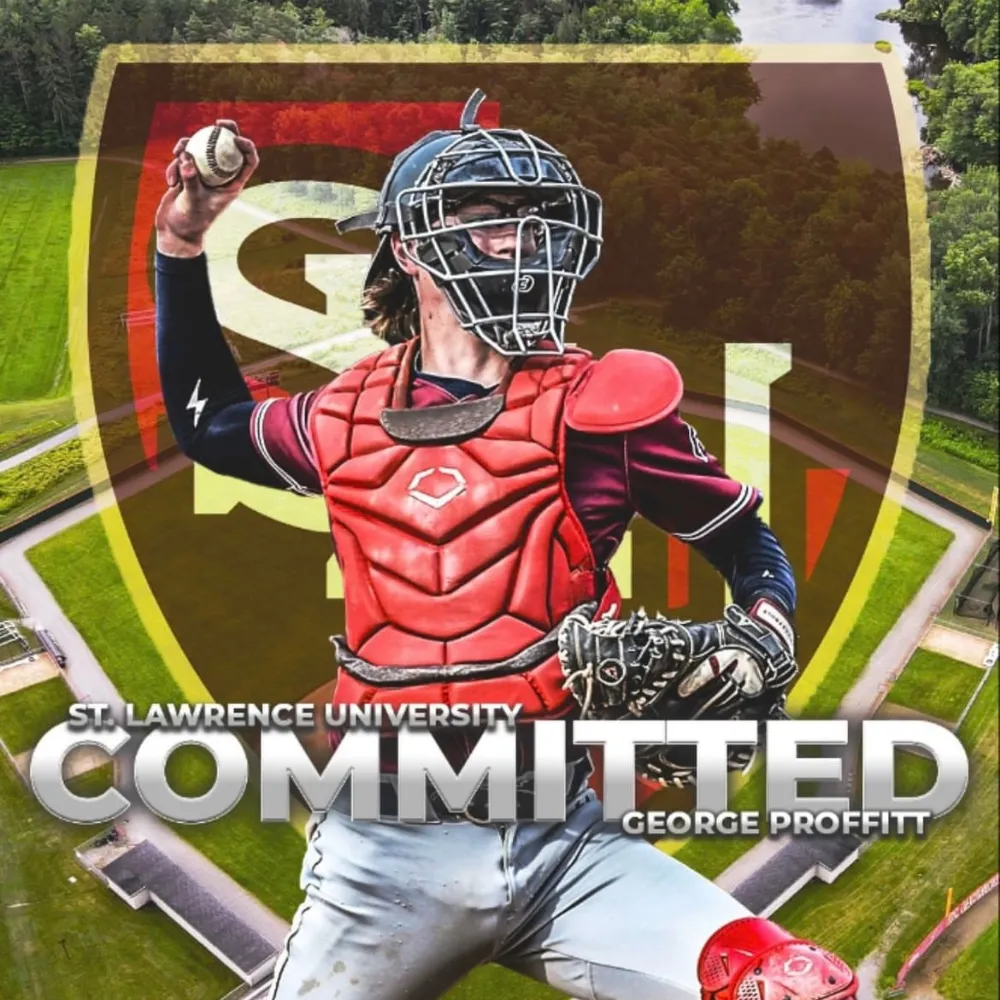
Over 250 catchers have come through it. More than 60 have committed to play college baseball so far, with plenty more on the way.
Real Catchers. Real Results.
None of these catchers were outliers. They were already solid, and they finally had a system to put the work into.
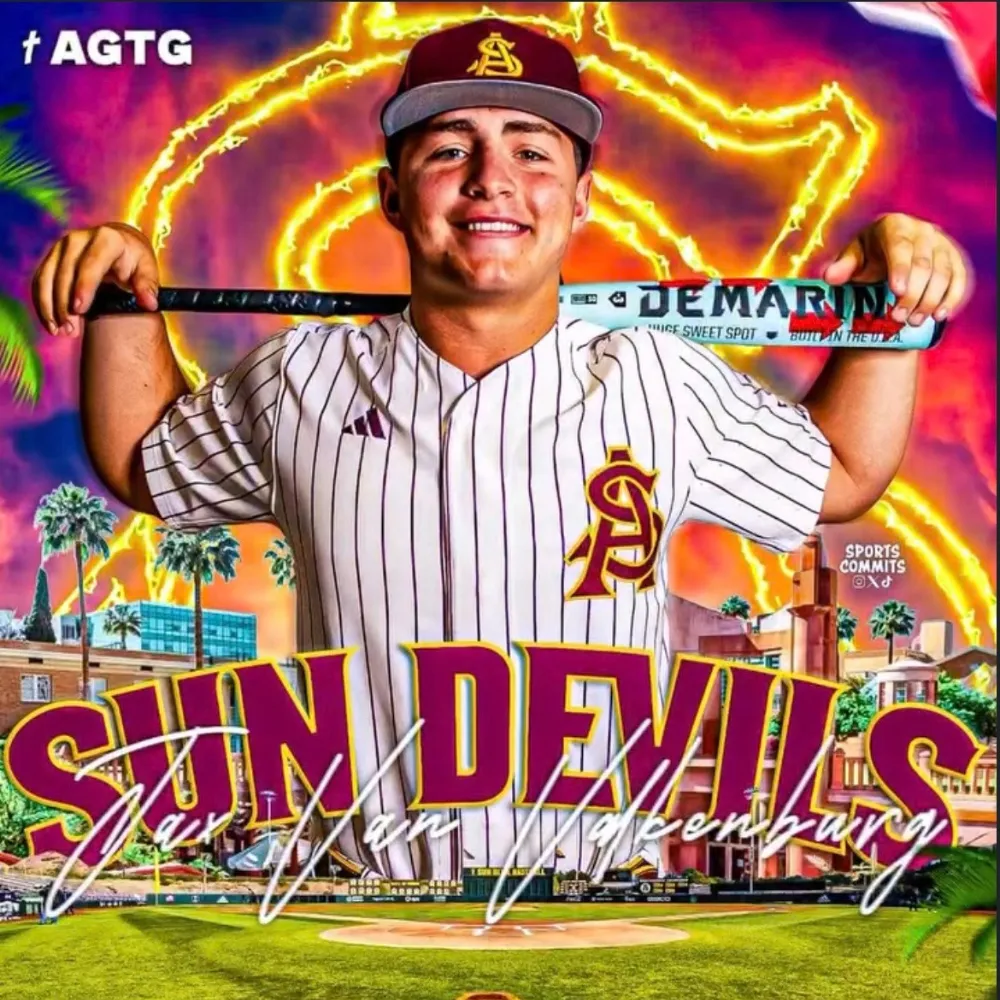
Jax Van Valkenburg - Arizona State Commit
Program Entry: 2.02 -> Program PR: 1.86
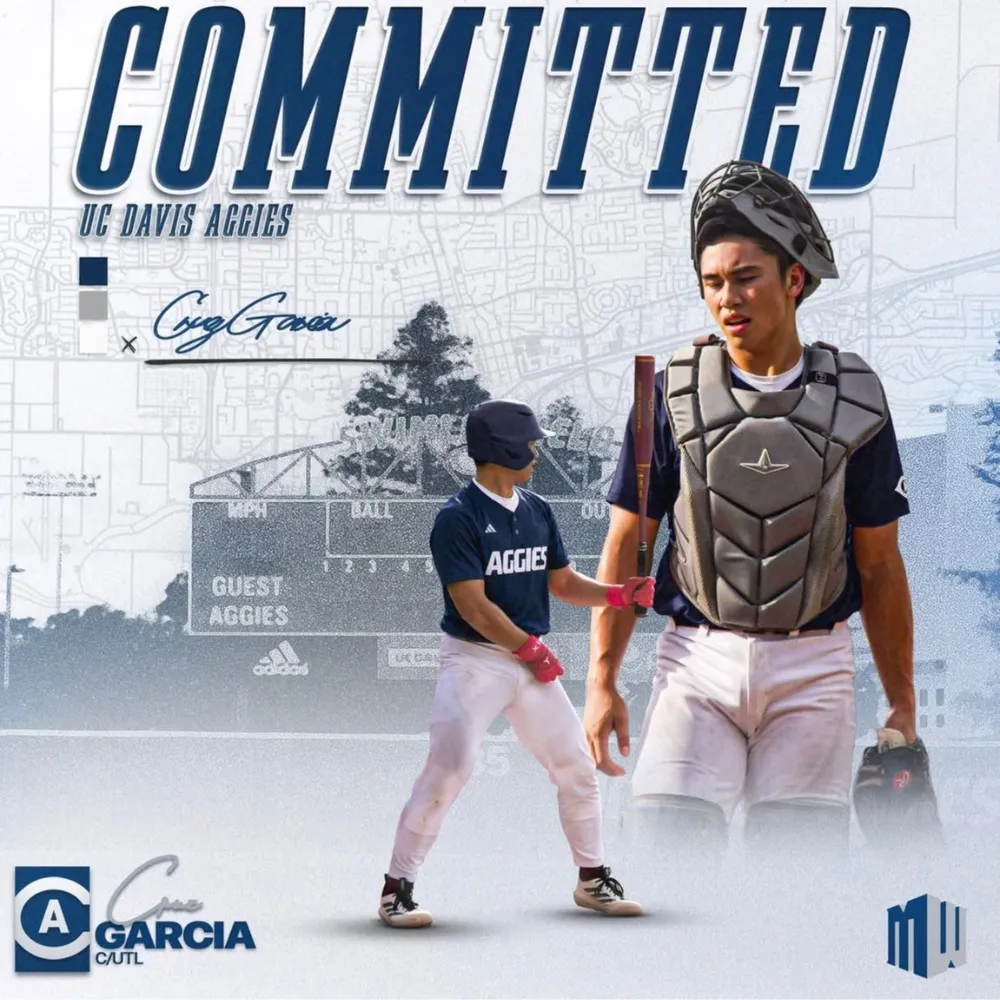
Cruz Garcia - UC Davis Commit
Program Entry: 2.11 -> Program PR: 1.91
Logan Havekost - Uncommitted
Program Entry: 1.96 -> Program PR: 1.89
Anthony Marchisio - Uncommitted
Program Entry: 2.04 -> Program PR: 1.84
The Guarantee
If your catcher follows the system the way it was designed and for some reason he doesn't decrease his pop time by at least .10-.20 and increase his velocity between 2-5 mph or more, we keep coaching him at no additional cost until he does.
No fine print. The work gets done and the results follow. If for some reason they don't, we extend the program until we get the results.
Questions Parents Ask
He already works with a coach. Why this?
If his coach is getting the results you want, stay with them. Most coaches are generalists who cover blocking, receiving, and game management. The level of detail we go into on the throw is something most catchers have never seen. This doesn't replace his coach. It adds what most local programs don't offer.
How does remote coaching work for something this technical?
Because of the nature of a remote program, we are able to go into extreme detail on an aspect of our game as technical as the throw. Coaching catchers on their throw remotely is our specialty and we've spent over 3 years perfecting this system to get your athlete results. He records his sessions, we break down his film frame by frame, and he gets feedback he can go back to anytime in accordance with the program structure.
Should we wait until the offseason?
No. Typical active workload is 45 minutes, three times a week, and it works in-season or out. The catchers he'll be competing against at his next showcases aren't waiting.
How long does it take?
Nothing advances on a calendar. He moves to the next phase when he's mastered the one he's in and a coach agrees. Most catchers finish in four to five months. Nobody gets rushed out, and if he hasn't hit his numbers, the guarantee keeps us working with him.
What does it cost?
The price depends on your catcher and what he needs, so after a detailed conversation we'll lay it out clearly. It's a serious program for catchers with college goals, coached by some of the best throwing coaches for catchers in the nation, priced accordingly, with a guarantee behind it.
Who needs to be on the call?
Both parents and your catcher. It's a decision about his investment as an athlete and your investment financially, so everyone who has a say should hear it firsthand.
Every College Coach Clocks His Throwing Metrics
His pop time and velocity are the first numbers they look at and the last thing standing between your catcher and a real look.
If he knows he has more in the tank, book the call and let's find out exactly what's holding it back.